← All articles

Know this look-alike

Black Nightshade vs Blueberries: Telling Them Apart

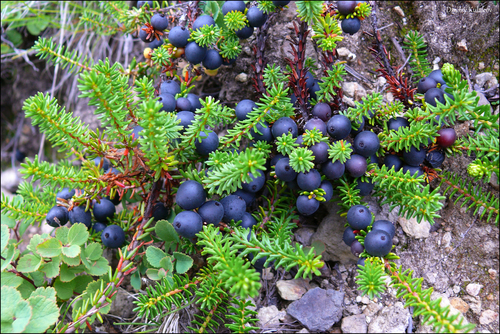
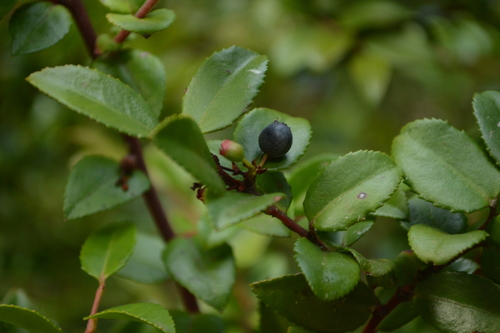
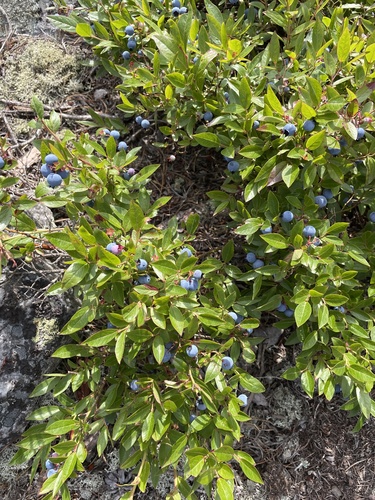
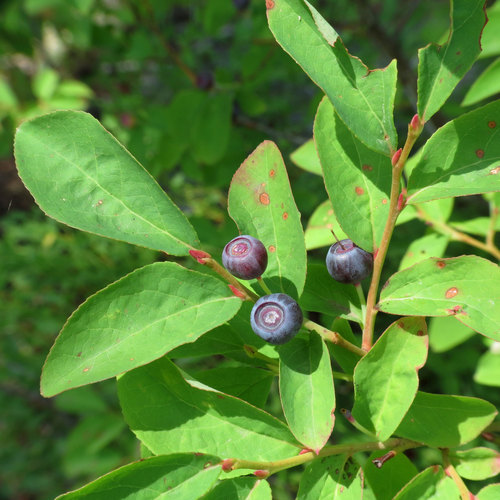
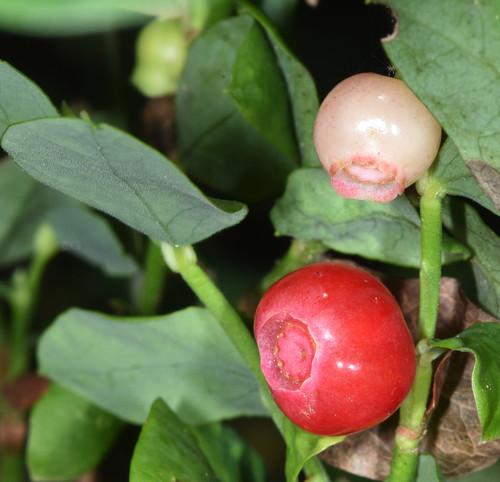
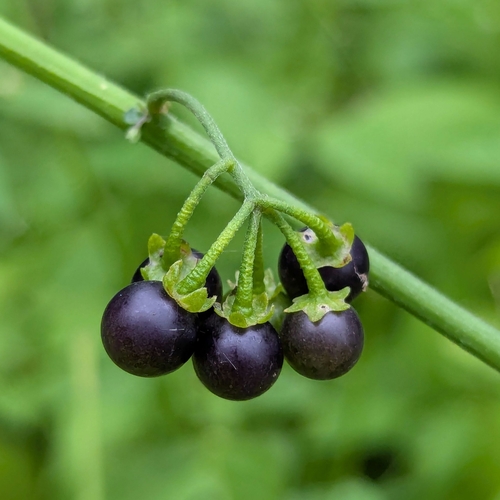
These look-alikes can make you seriously ill. Get the identification right before you eat anything. Black nightshade berries are mistaken for blueberries and huckleberries, and the red berries of bittersweet nightshade for cranberries. Nightshade berries hang in loose clusters from a soft-stemmed plant or a scrambling vine, not a woody shrub. Blueberries and huckleberries carry a small star-shaped crown at the tip of each berry, while nightshade berries are smooth at the tip, with green star-shaped sepals at the stalk end instead. Green, unripe black nightshade berries are poisonous, but fully ripe black berries are eaten by some people, raw or cooked into jam. Toxicity varies from plant to plant, so if you are not certain, leave them alone. Bittersweet nightshade is toxic in all parts.

The dangerous species

KB DiAngelo · CC BY-SA
⚠ caution

Nightshade Berries

Solanum americanum / S. nigrum / S. dulcamara (Bittersweet Nightshade)

How to tell it apart

  • The green fruit is particularly poisonous and eating unripe berries has caused the death of children. Wikipedia ↗
  • Despite the toxic compounds that they contain, cooked greens and ripe berries of S. americanum are eaten throughout their range. Wikipedia ↗
  • Fruit is a ¼-inch, green, oval to egg-shaped berry that ripens to shiny red. Minnesota Wildflowers ↗
  • All parts of the bittersweet nightshade are toxic to humans, pets, and livestock. NC State Extension ↗
Edibles people confuse with these

If you are foraging any of these, rule out the look-alikes above every time.

edible
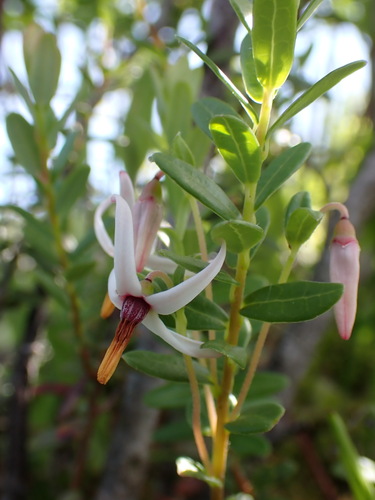
David Bird · CC0

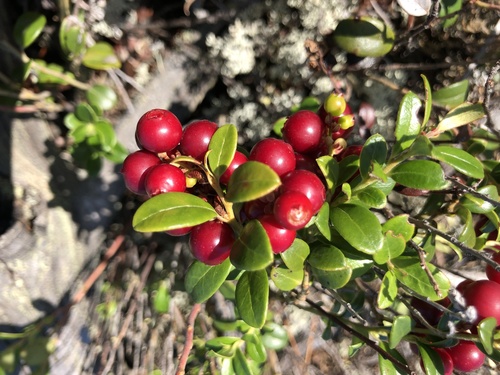
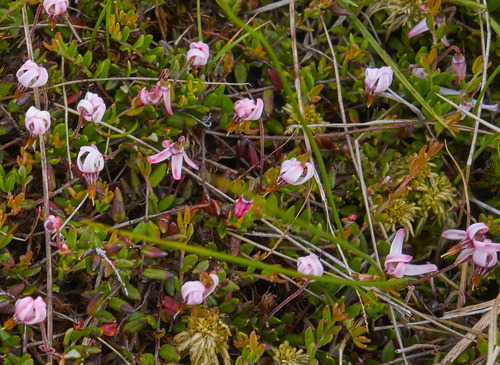
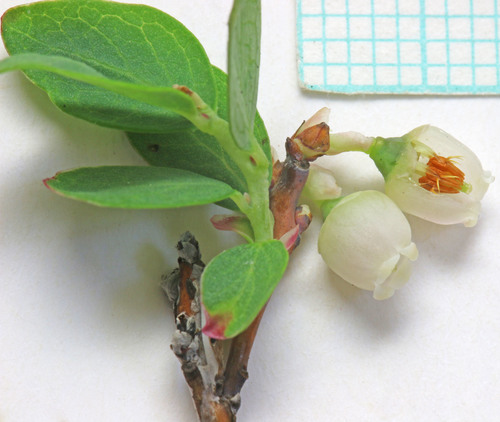
Small Cranberry

Vaccinium oxycoccos

expert

The notes above are an educational starting point, not a substitute for a field guide or an experienced forager. If you are not completely certain, do not eat it.